
THE GUIDE LINES TO EXPLORING EGYPT 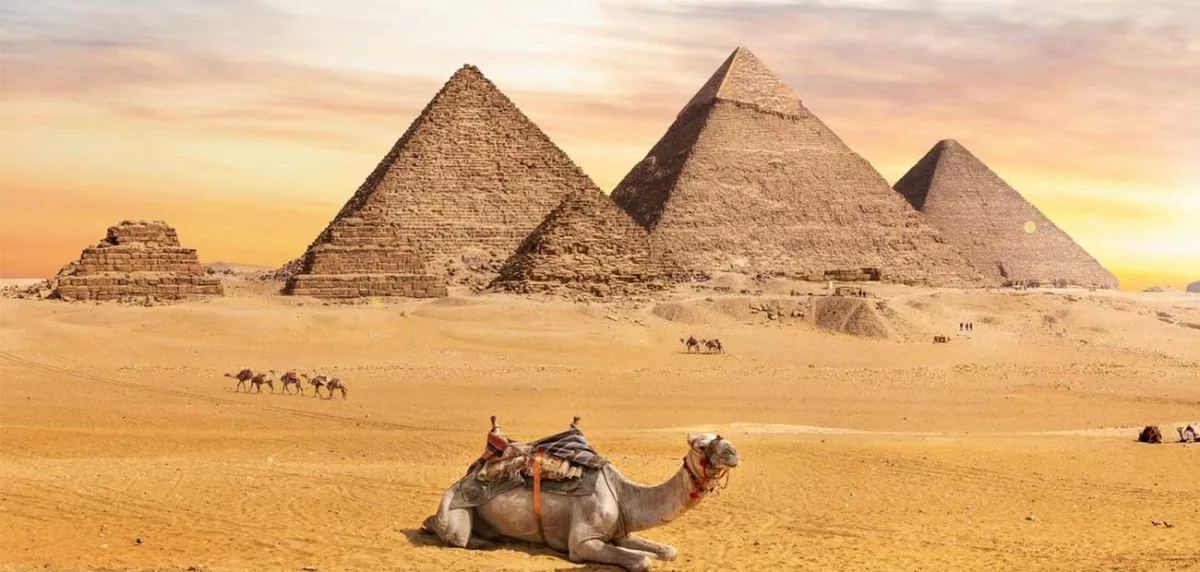 Egypt, the lustrous jewel of North Africa, entices millions of travelers each year with its captivating blend of ancient wonders, mesmerizing desert vistas, and the vibrant lifeblood of the Nile. This guide will navigate you through the enchanting realms of Egypt, offering expert advice and fascinating insights to make your journey truly unforgettable.
1. Why Choose Egypt?
Egypt, often referred to as the cradle of civilization, captivates its visitors with a potent mix of historical grandeur, cultural richness, and adventurous exploits. From the bustling streets of Cairo to the tranquil Nile cruises, from the awe-inspiring Pyramids to the vibrant Red Sea reefs, Egypt is an amalgamation of diverse experiences waiting to be discovered.
2. Planning Your Trip
When it comes to planning your Egyptian expedition, the first step is to decide whether to navigate it independently or opt for an escorted tour. Each option has its own set of advantages, and the choice largely depends on personal preferences, comfort, and budget.
2.1 Independent Travel
Independent travel affords you the freedom and flexibility to explore Egypt at your own pace. It allows you to curate your own itinerary, choose your accommodation, and decide the length of stay in each destination.
2.2 Escorted Tours
On the other hand, escorted tours provide a hassle-free journey, with itineraries, accommodations, and transportation taken care of. These tours are led by experienced guides who offer valuable insights into the local culture, history, and customs.
3. Best Time to Visit Egypt
The optimal time to visit Egypt is between October and April, when the desert heat is more bearable. Keep in mind that December and January are peak tourist months, leading to longer lines at major attractions and higher accommodation prices. Despite the scorching heat, summer months from June to September are ideal for diving and snorkeling in the Red Sea resorts.
4. Cultural Highlights
Egypt’s cultural heritage is as rich as its history. The country’s ancient treasures, most dating back to the time of the Pharaohs, are the main attractions for visitors.
4.1 Cairo
Cairo, the sprawling capital, is often the first stop on an Egyptian journey. Home to the world-renowned Pyramids of Giza and the treasure-laden Egyptian Museum, Cairo also offers a taste of modern Egypt with its bustling bazaars and vibrant nightlife.
4.2 Luxor
In Luxor, often referred to as the world’s greatest open-air museum, you can explore ancient tombs and temples strewn along the banks of the Nile. The Valley of the Kings, Karnak and Luxor Temples, and the Temple of Hatshepsut are among the must-see attractions.
4.3 Aswan
Aswan, with its palm-lined shorelines and beautiful temples, offers a tranquil retreat from the bustling cities. Don’t miss the chance to visit the twin temples of Abu Simbel, one of Egypt’s most striking monuments.
5. Adventure and Leisure Activities
Beyond its historical treasures, Egypt offers a range of activities for adventure enthusiasts and leisure seekers.
5.1 Nile Cruises
A cruise on the Nile is an essential Egyptian experience. These cruises provide a unique perspective of the country, gliding past ancient temples, lush farmlands, and traditional villages.
5.2 Red Sea Resorts
The resorts along the Red Sea, such as Sharm El Sheikh, are popular for their pristine beaches, vibrant coral reefs, and world-class diving facilities. These resorts also offer a range of activities including guided tours, snorkeling, and desert excursions.
5.3 Sahara Exploration
For a different kind of adventure, head to the Sahara. The White Desert National Park, with its surreal white rock formations, and the Black Desert, known for its dark conical hills, offer a glimpse into Egypt’s contrasting landscapes.
6. Egyptian Cuisine
Egyptian cuisine is a delightful fusion of flavors, reflecting the country’s rich cultural influences. Staple dishes include ful medames (mashed fava beans), koshari (a mix of lentils, rice, pasta, and tomato sauce), and molokhia (a green soup made from jute leaves).
7. Accommodation
From luxury beach resorts and international hotel chains to quaint guesthouses, Egypt offers a range of accommodation options to suit every budget. When staying along the Nile, consider paying extra for a room with a river view for an unforgettable experience.
8. Local Customs and Etiquette
Egyptians are known for their warm hospitality and friendliness. Respect for local customs and traditions is appreciated. Modest clothing is recommended, especially when visiting religious sites.
9. Safety and Travel Advice
While Egypt is generally safe for tourists, it is advisable to stay vigilant, especially in crowded tourist spots. Always follow local advice and avoid regions where travel is not recommended.
10. Visa and Passport Requirements
Most travelers to Egypt need a visa. It’s recommended to obtain your visa before traveling, especially if you’re visiting for work or business. Your passport should be valid for at least six months from the date of arrival.
11. Health and Travel Insurance
Before traveling, make sure you have appropriate travel insurance that covers medical expenses. Also, check any vaccination requirements and health advice for Egypt.
12. Packing Tips
Pack lightweight, breathable clothes for the desert heat, along with a hat, sunglasses, and sunscreen. Comfortable shoes are a must for exploring ancient sites. Don’t forget your swimsuit for the Red Sea resorts!
Egypt, with its timeless allure and incredible diversity, promises an adventure of a lifetime. Whether you’re a history buff, a culture vulture, or an adventure seeker, this ancient land has something to offer everyone. So pack your bags and get ready to uncover the mysteries of Egypt!
Cairo Travel Information: Egypt’s Capital
CAIRO IS THe bustling capital of Egypt, is a city of contrasts, where ancient wonders coexist with modern skyscrapers and vibrant markets. With its rich history, diverse culture, and stunning architecture, Cairo offers visitors an unforgettable travel experience that is both captivating and enlightening. This comprehensive travel guide will provide essential Cairo travel information, including top attractions, local culture, and practical tips to help you plan the perfect trip to this fascinating destination.Cairo is the capital of Egypt and the largest city in Africa, with a name that means “the victorious city.” It is located on both banks of the River Nile near the head of the river’s delta in northern Egypt and has been settled for more than 6,000 years, serving as the capital of numerous Egyptian kingdoms. Cairo is known locally as “Misr,” the Arabic name for Egypt, because of its centrality to Egyptian life.
Greater Cairo is spread across three of Egypt’s administrative governorates. The northeastern part is known as the Kaliobia Governorate. At the same time, the west bank is part of the governorate of Giza, and the eastern and southeastern parts are other governorates known as the Cairo Governorate. The three districts are collectively known as greater Cairo.
The city is marked by the traditions and influences of the East and the West, both the ancient and the modern. However, Cairo also reflects Egypt’s growing poverty, and it struggles to cope with problems caused by massive population growth, urban sprawl, and deteriorating infrastructure and public services.
The city of Cairo
ciro covers an area of more than 453 square kilometers (more than 175 square miles). However, it isn’t easy to geographically measure and separate the city from some of its immediate suburbs. Bracketed by the desert to the east, south, and west and bounded by the fertile Nile delta to the north, Cairo sits astride the river, though it spreads farther on the east bank than the west.
Top Attractions in Cairo

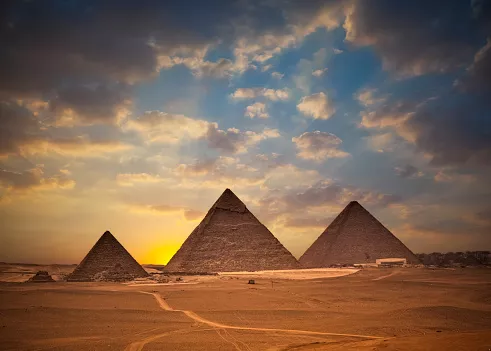
- The Pyramids of Giza: The most iconic symbols of Egypt, the Pyramids of Giza are a must-visit attraction for any traveler to Cairo. Comprising the Great Pyramid of Khufu, the Pyramid of Khafre, and the Pyramid of Menkaure, the pyramids represent the pinnacle of ancient Egyptian engineering and are indeed a sight to behold.
- The Sphinx: Located near the Pyramids of Giza, the Sphinx is a monumental statue with the body of a lion and the head of a pharaoh, believed to represent Khafre. The enigmatic Sphinx has captured the imagination of visitors for centuries and remains one of Egypt’s most enduring mysteries.
- The Egyptian Museum: Home to the world’s most extensive collection of ancient Egyptian artifacts, the Egyptian Museum offers visitors an unparalleled glimpse into the country’s rich history. Highlights include the treasures of Tutankhamun, the Narmer Palette, and the Royal Mummy Room.
- Khan el Khalili Bazaar: Cairo’s most famous market, Khan el-Khalili, is a narrow alley with shops selling everything from traditional handicrafts to aromatic spices. The bazaar is an excellent place to experience Cairo’s vibrant street life and pick up souvenirs or gifts.
- Islamic Cairo: The historic district of Islamic Cairo is home to some of the city’s most beautiful mosques, madrasas, and monuments. Must-see sights include the Al-Azhar Mosque, the Mosque of Ibn Tulun, and the Citadel of Saladin, which offers stunning city views
- Practical Tips for Visiting Cairo
- Transportation: Cairo is well connected by air, rail, and road, with frequent flights from international destinations and trains from other cities in Egypt. Within the city, taxis, Uber, and the Cairo Metro are popular ways to get around, but traffic can be heavy, so plan accordingly.
- Accommodation: Cairo offers many accommodation options, from budget-friendly hostels to luxurious hotels. Consider staying in the downtown area or Zamalek for easy access to the city’s main attractions.
- Weather: Cairo has a hot desert climate, with scorching temperatures during the summer months. The best time to visit is between October and April when the weather is more pleasant and comfortable for sightseeing.
- Safety: Cairo is generally considered a safe destination for travelers, but it is always advisable to exercise caution, be aware of your surroundings, and follow local advice on safety and security.
- Dress Code: Cairo is a predominantly Muslim city, and visitors should dress modestly to respect local customs.
Cairo also includes several river islands, which are essential to the city’s life. As the region’s principal commercial, administrative, and tourist center, Cairo contains many cultural institutions, business and corporate headquarters, governmental offices, universities, and hotels, creating a busy stream of constant activity.
- Transportation: Cairo is well connected by air, rail, and road, with frequent flights from international destinations and trains from other cities in Egypt. Within the city, taxis, Uber, and the Cairo Metro are popular ways to get around, but traffic can be heavy, so plan accordingly.
- Accommodation: Cairo offers many accommodation options, from budget-friendly hostels to luxurious hotels. Consider staying in the downtown area or Zamalek for easy access to the city’s main attractions.
- Weather: Cairo has a hot desert climate, with scorching temperatures during the summer months. The best time to visit is between October and April when the weather is more pleasant and comfortable for sightseeing.
- Safety: Cairo is generally considered a safe destination for travelers, but it is always advisable to exercise caution, be aware of your surroundings, and follow local advice on safety and security.
- Dress Code: Cairo is a predominantly Muslim city, and visitors should dress modestly to respect local customs.
Cairo also includes several river islands, which are essential to the city’s life. As the region’s principal commercial, administrative, and tourist center, Cairo contains many cultural institutions, business and corporate headquarters, governmental offices, universities, and hotels, creating a busy stream of constant activity.
Pyramids of Giza
The center of downtown Cairo is Tahrir Square, which is located along the east bank. A hub of tourist activity, the vast and open square contains numerous attractions, including the Egyptian Museum, the Arab League headquarters, and the modern Umar Makram Mosque. Cairo’s main thoroughfare, Corniche, extends from north to south along the east bank of the Nile. Located nearby is the narrow strip of land known as Garden City, one of the city’s newer residential areas. In the center of the city is the river island of Zamalek (also called Jezerah, meaning “the island”), which contains an upscale residential and commercial neighborhood also known as Zamalek, the Cairo Opera House (founded in 1869), and the Cairo Tower (1961). Three bridges link the island of Zamalek with both banks of the river. The island of Al-Rodah, located to the south, is connected to the mainland by two additional bridges, while another bridge to the north carries road and rail traffic across the Nile.
Outside the city’s central area on the east bank are the neighborhoods of Islamic Cairo. These neighborhoods span from the northeast to the southeast of the city. These neighborhoods are known for their narrow streets, crowded markets (bazaars), and hundreds of mosques, many dating back to the Medieval period. South of the Islamic district lies Old Cairo, where some of the city’s oldest architectural monuments can be found, and many tourists love to explore. Old Cairo is also the home of Cairo’s Coptic Christian community, the site of the Coptic Museum, plus many Coptic churches.
The efficient irrigation of Cairo’s desert outskirts has allowed for the development of suburbs, such as Heliopolis, located to the northeast. Other modern suburbs are interspersed with recently created migrant neighborhoods that accommodate the city’s growing population. Industrial areas further crowd the city, restricting its growth. An international airport serves Cairo, situated approximately 24 kilometers (about 15 miles) northeast of the city, while the Ramses railway station and the main bus terminal are also located near downtown Cairo.
Cairo is the chief commercial and industrial center of Egypt. Local industries manufacture cotton textiles, food products, construction supplies, motor vehicles, aircraft, and chemical fertilizers. Iron and steel are produced in the south, just outside the city. Cairo is also a center for government activities and service industries. Because of the city’s warm climate and numerous historical and cultural attractions, tourism plays a vital role in its economy. Cairo receives goods shipped on the Nile at the river port, located at the northern end of the city. From Cairo, products are sent by road, railroad, and waterway to the Mediterranean ports of Alexandria and Port Said. The city is connected by train service to other major cities. Traffic congestion is a growing problem in Cairo, but it is the only city in the Middle East and Africa with a subway. This system opened in the city in 1987 for the first time, carrying about 2 million passengers daily. Lately, a second line has been opened, which links the old line with the western superb in the west bank (Giza); the third line is still under construction, connecting Cairo airport to the city center and finishing in the busy suburb of Imbaba.
Population
In 1998, Cairo was estimated to have a population of 16 million. The people of Cairo are known as Cairenes; nearly all are Egyptian citizens with few foreigners. The city is an essential center of the Islamic faith, and the Cairenes are predominantly Sunni Muslims. However, the city is also home to a sizable Coptic community, which traces its origins to the early Christians who populated Cairo in large numbers before the arrival of Islam. Cairo’s population swells daily as workers flow into and out of the city from the surrounding area, clogging roads and rail lines every morning and evening. Many Cairenes are recent arrivals from villages and small cities along the Nile. These rural migrants arrive with few skills or resources and compound the existing problems of unemployment and housing shortages.
Luxor Travel Guide
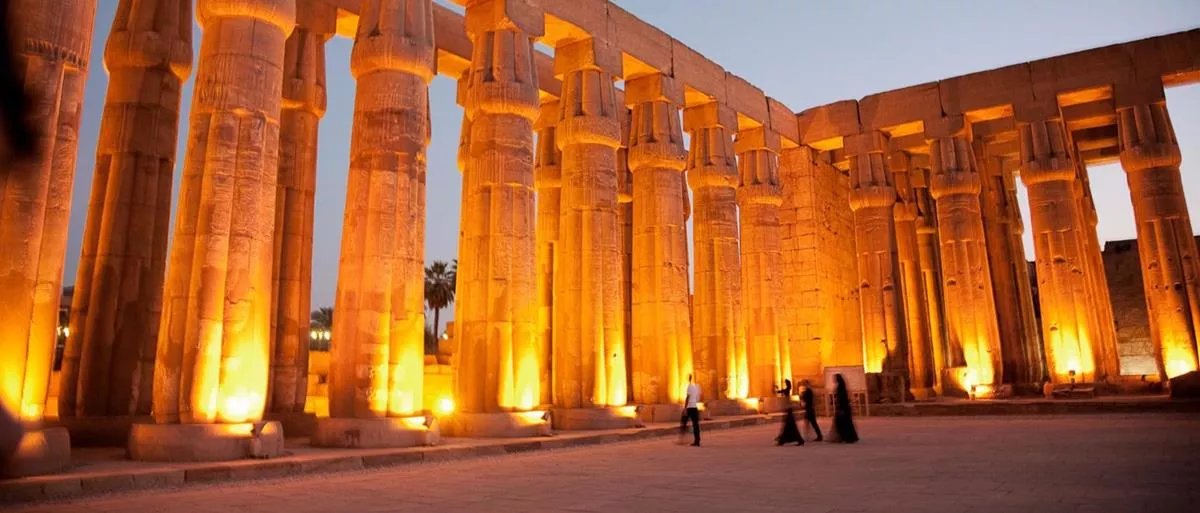
Located in Upper Egypt, Luxor has been described as the world’s largest open-air museum. It has been elevated to the governorate status, although it is still classified as being in the province of Qena. Luxor has a population of around 230,000, primarily employed in tourism, although many are used in agriculture and commerce. Luxor is one of the most popular destinations in Egypt and qualifies as one of those places you must see. Because of this, almost every Egyptian tourist company has an office somewhere in the town.
Luxor has been estimated to contain about a third of the most valuable monuments and antiquities in the world, making it one of this planet’s most important tourist sites. Monuments such as The Luxor Temple, Karnak Temple, the Valley of the Kings, the Valley of the Queens, Deir El-Bahri (the Mortuary Temple of Hatshepsut), the worker’s village at Deir El-Medina, the list goes on and on, and on. Although most visitors will stay for just a few days, visiting everything in this fantastic town would take a substantial amount of time.
Once known as Thebes, Luxor’s importance in ancient Egyptian history cannot be denied. It was the religious capital almost throughout the Pharaonic period, so the town is dominated by two temples: the Temple of Luxor and the immense Temple of Karnak, the world’s largest temple complex.
Dedicated to the ancient Egyptian god Amun Ra, the Temple of Karnak was constantly expanded by successive pharaohs, each adding their tribute to the god. The site dates back to the Middle Kingdom under the reign of Mentuhotep (11th Dynasty), but most of what can be seen today is from the New Kingdom. Other parts of the complex include sites dedicated to Mut, the wife of Amun Ra, and their son Khonsu.
Most people know that Luxor was once Thebes, but “Thebes” was not what the ancient Egyptians called it. Ancient texts show that it was called T-apt, “The Shrine,” with the ancient Greeks calling it Tea Pie. The Arabs had pronunciation problems, so it became Thebes to them. The name vanished then as the area submitted to the desert. By the 10th century, Arab travelers thought the ruins were grand buildings, so they called it Al-Oksour, or “site of the palaces,” which eventually became Luxor.
Luxor is situated 670km (416 miles) to the south of Cairo, 220km (137 miles) to the north of Aswan, and 280km (174 miles) to the west of Hurghada. It is the second most popular place to visit in Egypt, behind Cairo, and is accessible in several ways:
By Air
Luxor International Airport is 6km (4 miles) east of the city and can be reached from most countries worldwide,
although it is most famous for charter flights. From here, you can also fly to most of the main cities and towns in Egypt and arrive from them. EgyptAir runs daily flights from Cairo to Luxor, as well as Luxor to Cairo, which only take, on average, about 50 minutes.
By Train
Luxor is situated on the central Cairo to Aswan railway line and has a modern station in El-Mahata Square. Services to both Cairo and Aswan are frequent, although restrictions on tourists are in place right now, allowing them to only use the sleeper service or the trains to either side of them.
By Road
Even though Luxor is connected by road to Cairo and has a good bus connection with the capital, tourists are asked to refrain from attempting to use this mode of transport for this journey and are left with only rail or flight as an alternative. However, the road to Aswan can be used and allows visiting sites such as Edfu and Kom Ombo. Hurghada is reachable by a 3.5-hour bus journey, opening up the Red Sea for those who wish for a change. Please note: if you do intend to use this mode of transport, you are best booking your seats at least 24 hours in advance to ensure you get the seats you want.
By Cruise
Nowadays, you can only go to Aswan by cruise boat, although some operators offer a one-day sail to see Dendera. The River Nile has not been used for cruises between Cairo and Luxor since the late 1990s.
The Ancient City of Thebes

Although it was never the capital of a united Egypt, Thebes was the capital of Upper Egypt when Egypt was split in two. This was especially true during the period of the Hyksos invasion when Avaris became the capital in the North. Thebes was where the various pharaohs of Upper Egypt were based, and it was from here that the final campaign, under Ahmose I, to expel the Hyksos, first started.
Today, Luxor is split in two by the River Nile. These two areas are the East Bank (where the town lies) and the West Bank. Though this was also true in ancient times, the two parts were the City of the Living (East Bank) and the City of the Dead (West Bank). Like most of the River Nile, the western side tends to be more desert terrain, with the eastern side having far more arable land, so settlement sites tended to favor this latter side.
Aswan Travel Guide

Aswan is the third biggest town in Egypt today and the biggest one in upper Egypt. It is situated at the foot of the Nile Valley to the North end of Lake Nasser. Recently, Aswan has become a significant aluminum and iron mining area. It is also a favorite place for tourists to visit because it is a major stop for cruise boats on the River Nile and Lake Nasser. It has a local market that is an excellent place to shop for a holiday. This is especially true if you want spices, as you will find the best fresh spices in the Aswan market. Aswan also has many attractive tourist spots to visit.
Aswan is the capital of its governorate and has a population of about 1.2 million. Most of the city’s residents are Nubians and local tribes of the Kenzo people.
After the Aswan High Dam was constructed, the city became a refuge for Nubians who chose to flee to Egypt after the waters flooded their homelands. There was also a worldwide rescue campaign for the Nubian monuments during and after the dam’s construction.
Aswan takes its name from the ancient Egypt
In ancient times, the city worshipped the God Khnum, but he was later replaced by the Goddess Isis, the Goddess of magic and maternity, in the Greco-Roman period. A temple was built for her on the Island of Philae, which had to be moved, along with other structures, when the waters of Lake Nasser engulfed the island. Though still known as “the Temples of Philae, they can now be accessed on the nearby Agilika Island.
Because of Aswan’s location, just north of the Tropic of Cancer, the city has a hot climate throughout the year, and it is advised to cover your head when walking about and drink water constantly. Aswan is 890 Km (553 miles) south of Cairo and 220 Km (137 miles) south of Luxor. It is the third most popular place to visit in Egypt, behind Cairo and Luxor, and is accessible in several ways.
Because of the location of Aswan, just north of the Tropic of Cancer, the city enjoys a scorching climate throughout the year! It is advised to constantly cover your head when walking about and drink water to avoid heat stroke and exhaustion.
How To Get To Aswan
the original of ASWAN word “swan,” meaning “the market.” This is because it was located on the main trade route between Egypt and the southern lands, bringing gold, enslaved people, and ivory into Egypt. The governors of the 6th Dynasty sent many expeditions to explore the many African countries to the south, most of which started from Aswan. It was also the primary source of granite, sandstone, and quartzite to construct major monuments throughout Egypt.
By Road
Although Aswan is connected by road to Cairo and has a good bus connection with the capital, tourists are asked not to attempt to use this mode of transport for this journey and are therefore left with only rail or flight as an alternative. The road to Luxor can be used though as it allows visiting sites such as Edfu and Kom Ombo. Please note: if you do intend to use this mode of transport you are best booking your seats at least 24 hours in advance to ensure you get the seats you want.
By Air
Aswan International Airport is located 25km (16 miles) southwest of the city and can be reached from most countries around the world, though, like Luxor, it is most popular for charter flights. From here you can also fly to most of the main cities and towns in Egypt, as well as arrive from them. EgyptAir runs daily flights from Cairo to Aswan, as well as Aswan to Cairo, which take, on average, about 60 minutes. It is also possible to book flights to Abu Simbel, though this must be done in advance.
By Train
Aswan is the terminus on the main Cairo to Aswan railway line and has a modern station at the northern end of the city. Services to both Cairo and Luxor are very frequent, though restrictions on tourists are in place right now which allows them to only use the sleeper service or the trains on either side of them
Alexandria Travel Guide

Alexandria was founded by Alexander the Great in 333 B.C. and has a unique history quite different from many other cities in Egypt. When this famous Macedonian (the Greek state, not the former Yugoslav country) was en route to visit the Oracle Temple of Amun at the Siwa oasis, he stopped overnight at the village of “Re-qdt” (its Greek name is “Racotis”) between the Mediterranean Sea and the Lake of Mariott (its location today is the area of Tel Bab Sadrah or Karmouz). Alexander decided that this location would be where a great city would be built and charged one of his architects, Democrats, to make it.
Alexander continued to Siwa to consult the oracle about his destiny and left Egypt to fight the Persians in Asia. Sadly, what the Oracle told Alexander is not known, but it is generally believed that he was told he was to be a great leader. After his triumphal campaigns, Alexander the Great died in Babylon in 323 B.C. without ever seeing the city that bears his name; in fact, it was not until the reigns of Ptolemy I (Soter “the Saviour”) and his successor Ptolemy II (Philadelphus) that the building of the city was completed. It became the principal capital of the region.
.”

Alexander’s architect, Dinocratis, planned the city in squares like a chessboard, with two main streets interlaced vertically and horizontally, extending from east to west and north to south. Alexandria’s initial design had five districts, each one named after a letter of the first five letters in the Greek Alphabet: A (Alpha), B (Beta), G (Gamma), D (Delta), and E (Epsilon). These five letters represent the initial letters of the text: “Alexander the king, the descendant of the gods, erected the city.”
Alexandria is situated on Egypt’s Mediterranean coast, 179km (111 miles) north of Cairo. It is Egypt’s second-largest city, behind Cairo, but is sadly overlooked by tourists in some ways. It is accessible in many ways:
By Air
Alexandria International Airport, or El Nouzha Airport, is located 7km (4 miles) southeast of the city center. It offers services to domestic destinations within Egypt and cities across the Arab world. EgyptAir is the largest airline at the airport, operating over 50 weekly domestic and regional flights.
The future of El Nouzha was in doubt with the opening of Borg El Arab Airport. However, in early 2010, the Egyptian Ministry of Civil Aviation announced significant plans to overhaul the airport and its facilities to ensure its future as one of the two commercial airports for the Alexandria and Nile Delta region. The airport will be closed to commercial operations by late 2011 for a significant renovation, and all traffic will be transferred to Borg El Arab airport, Alexandria’s second airport. The renovation project is expected to cost US$120 million, including lengthening the main runway (04/22) by an additional 750m and constructing a new passenger terminal to replace the existing aging facility. As of January 2016, the airport remains closed, without an estimate of when it might reopen.
By Train
Alexandria is the northern terminus for the line that runs through Cairo to Aswan, and the service to Cairo is excellent. Services are also available to Marsa Matruh via El-Alamein and Port Said.
By Road
Alexandria has a vast road network connecting it with towns to the east, the west, and south towards Cairo, including the myriad of towns in the Delta region. Cairo is reached by two main highways: The Desert Road and the Agricultural Road. Both are very busy, with the former being 6-8 lanes wide.
By Cruise
Alexandria has a major seaport, a popular stopping point for ocean-going cruises, and many visitors experience Egypt by arriving here.
Is Egypt Safe for Tourists? Debunking Myths and Misconceptions
“Is it safe to travel to Egypt right now?” is a common question among potential tourists, and it’s understandable given the region’s history of political unrest and occasional incidents of violence. However, it’s essential to separate fact from fiction and recognize that the vast majority of tourists in Egypt, including Alexandria, have safe and enjoyable experiences.
First and foremost, it’s important to remember that Egypt relies heavily on tourism. The government and local communities go to great lengths to ensure the safety and well-being of visitors. This includes increased security measures at tourist sites, airports, and hotels and a strong police presence in popular areas.
One common myth about Egypt is that it’s a hotbed of terrorism. While there have been isolated incidents in recent years, these events are the exception rather than the rule. Furthermore, most of these incidents have occurred far away from the Sinai Peninsula or Western Desert tourist areas. The major tourist destinations, including Alexandria, Cairo, Luxor, and Aswan, have remained safe and secure.